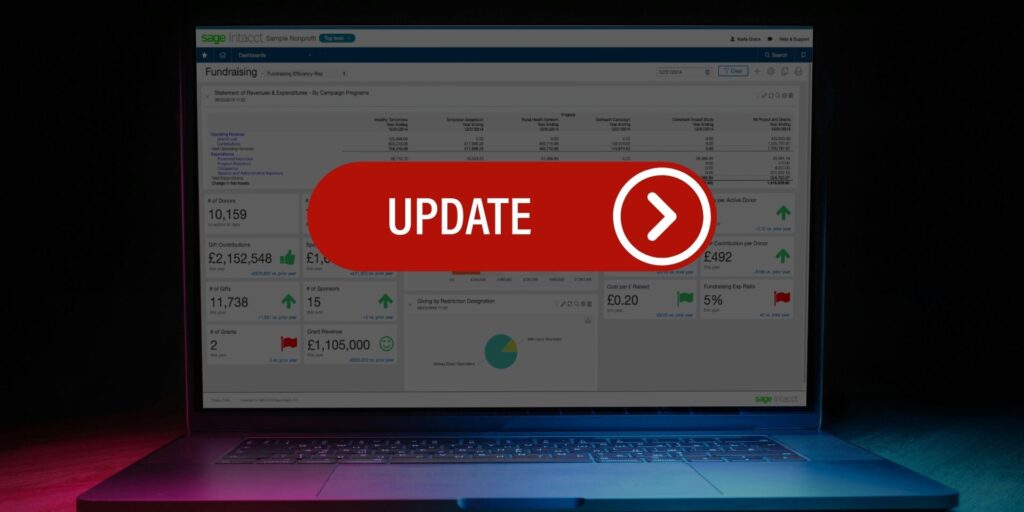
As companies undergo digital transformations, they amass vast amounts of operational and customer data. By collecting this information, leaders and teams gain valuable insights through tools for data visualization that they can use to make better decisions. Consequently, the adoption of visual reporting is on the rise. Many organizations are now piloting or utilizing visual dashboards and data visualization tools to consolidate and share information.
Related Content
By presenting financial data in a user-friendly manner, people can uncover connections that would have otherwise remained hidden. Armed with these insights, they can drive business improvements through informed decision-making.
However, tools for data visualization has yet to gain widespread traction in many organizations. According to Gartner, over half of finance departments struggle to provide stakeholders with reliable data and reports for decision-making. Data holds value only when it is easily accessible, comprehensible, and actionable. When data is buried in spreadsheets and fragmented across departments, teams often struggle to locate it efficiently. This leads to valuable time wasted on searching, and the numbers they find often lack crucial context.
Furthermore, traditional spreadsheets fall short in delivering real-time reporting that is essential for predicting the future. They remain static, reflecting only recent or long-term past performance.
To overcome the frustration of underutilized data, management teams are turning to innovative solutions that collect data across the organization and present it through customizable dashboards. These dashboards go beyond mere display of facts and figures. They create a narrative that contextualizes the data and employs graphical representations to bring it to life. Finance leaders and teams can easily filter and analyze the information, identifying what works and what doesn’t, and leveraging these insights to enhance operations or discover new revenue opportunities.
In addition to improving business outcomes, sharing information through customizable dashboards enables executives to communicate more effectively with their teams. Reports alone may not effectively convey the significance of results, but when presented in a narrative with visual illustrations, they become more compelling and meaningful. This enhances the impact of leaders’ recommendations.
With tools for data visualization, teams can experiment with their dashboards, leveraging real-time information, charts, and graphs to test ideas for process improvements or service enhancements. By looking backward or forward and leveraging real-time insights, they can predict future outcomes with greater confidence.